By using this site, you agree to the Privacy Policy and Terms of Use.
Accept
London TelegraphLondon TelegraphLondon Telegraph
  • Home
  • World
  • Europe
  • USA
  • Middle East
  • Asia
  • General
  • Business
  • Entertainment
  • Technology
  • Health
  • Sports
  • Newsroom
  • Opinions
Reading: Artemis II vs Apollo: Why this mission loops the moon but doesn’t land
Share
Notification Show More
Font ResizerAa
London TelegraphLondon Telegraph
Font ResizerAa
  • World
  • Travel
  • Science
  • Technology
  • Home
    • Home 1
    • Home 2
    • Home 3
    • Home 4
    • Home 5
  • Categories
    • Technology
    • Travel
    • World
    • Science
    • Health
  • Bookmarks
  • More Foxiz
    • Sitemap
Have an existing account? Sign In
Follow US
© 2022 Foxiz News Network. Ruby Design Company. All Rights Reserved.
Latest

Artemis II vs Apollo: Why this mission loops the moon but doesn’t land

Last updated: April 1, 2026 11:04 pm
RNN
8 months ago
Share
Artemis II vs Apollo: Why this mission loops the moon but doesn't land
SHARE

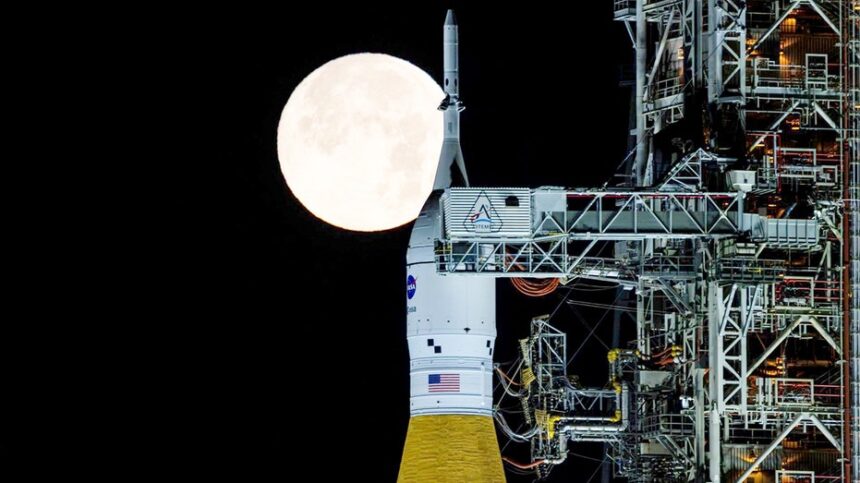
More than half a century after NASAs final Apollo mission, astronauts prepared Wednesday to but this time, they will not land.

Instead, will fly past the moon on a 10-day mission, traveling farther into space than any humans since the Apollo era.

The mission is designed as a crewed lunar flyby, a critical test of NASAs deep-space systems before attempting future landings, according to NASA.

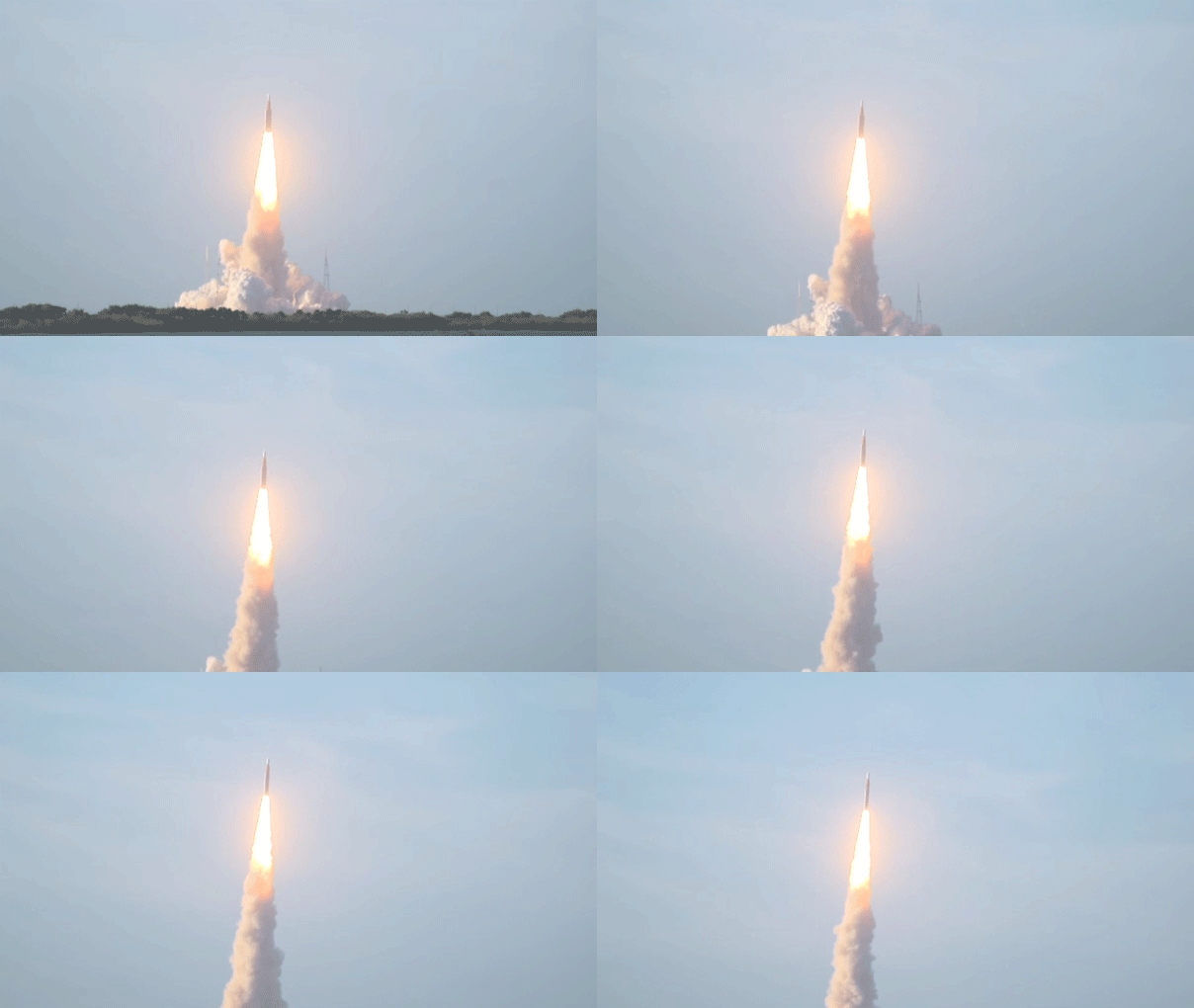
Launched aboard the Space Launch System rocket, the will first enter Earth’s orbit before following a precise path known as a “free-return” trajectory.

Scientists said the route uses the combined gravitational forces of Earth and the moon to carry the spacecraft around the far side of the moon and safely back home without requiring major course corrections.

Artemis II will mark the aboard both the Orion spacecraft and the SLS rocket, making it a key demonstration of NASAs human deep-space capabilities.

The mission will test how well work with astronauts on board, including navigation, life support and communication far from Earth.

It also will give NASA a better understanding of how crews operate during deep space travel, officials said.

Astronauts will take part in experiments during the flight, including one called A Virtual Astronaut Tissue Analog Response (AVATAR), which uses “organ-on-a-chip” technology to study how radiation and weightlessness affect the body.

NASA claims before attempting a moon landing on a future mission. 

By proving the spacecraft and crew can safely travel to deep space and back, the mission moves the agency closer to returning humans to the lunar surface and eventually .

Uber expands women driver preference nationwide
Pentagon sends hundreds of Army troops to Latin America for training as drug-trafficking campaign expands
CBP touts historic milestone, pushes for even larger workforce: ‘We arent stopping here’
Idaho coffee shop owner defends ejecting pro-life group from his business after backlash
Speaker Johnson predicts Democrats’ far-left shift will juice enthusiasm for GOP in midterms
TAGGED:latestTravel
Share This Article
Facebook Email Print
Previous Article Womans double-twin relationship sparks courts impossible paternity ruling Womans double-twin relationship sparks courts impossible paternity ruling
Next Article Artemis II launches astronauts around the moon in first deep space mission since Apollo Artemis II launches astronauts around the moon in first deep space mission since Apollo
about us

Runway News Network (RNN) is a UK-based digital media group operating multiple independent news platforms across the United Kingdom. We provide structured journalism, press syndication and AI-optimised news distribution for organisations seeking national and regional visibility.

Find Us on Socials

London TelegraphLondon Telegraph
© Runway News Network. All Rights Reserved.
Welcome Back!

Sign in to your account

Username or Email Address
Password

Lost your password?
